

My Sweet Neighbors
My Sweet Neighbors follows a middle-aged man starting over in a new apartment, where everyday interactions and personal choices shape his relationships with the people around him. Players can pursue romance, remain friendly, or explore secrets as the story progresses.
Screenshots


About this app
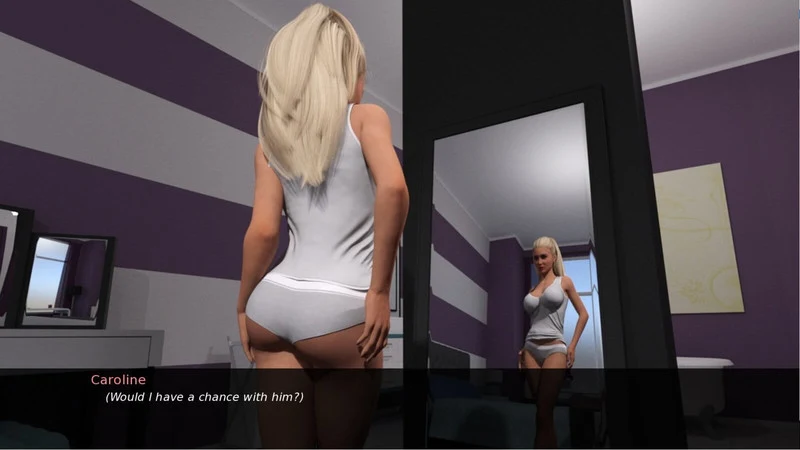
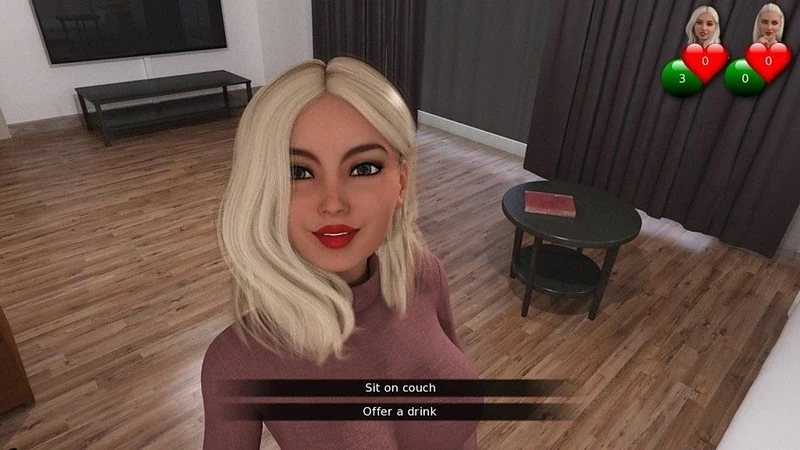
My Sweet Neighbors is a relationship-focused visual novel about a middle-aged man beginning a new life in an apartment and deciding how to connect with his neighbors. Players choose how to respond in daily events and conversations, with the stated aim of building favor and trust. Those decisions shape the direction of the story, while continuing through it can unlock intimate scenes and animations.
Settling into a new community
The apartment complex and its surroundings provide the setting for encounters with neighbors. The documented activities include casual conversations, helping with small tasks, and taking part in community events. These are ways to build rapport rather than separate modes with different rules. Shared areas and more private moments both feature in the described setting, giving the story places for different kinds of interaction.
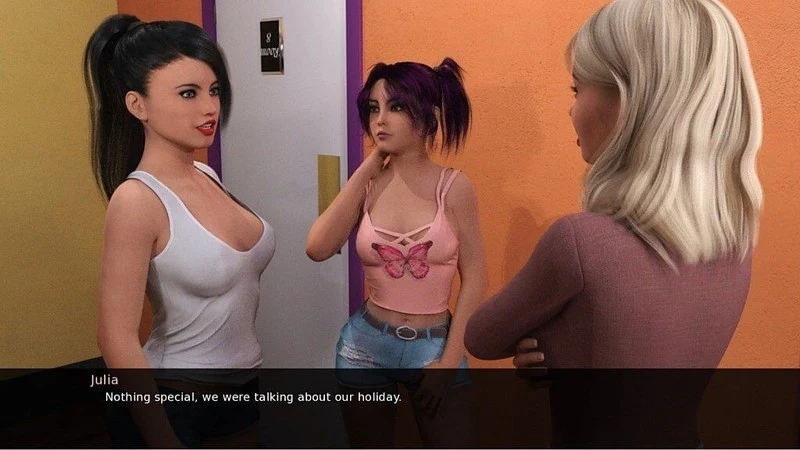
The neighbors are described as having distinct personalities, backstories, and motivations that become clearer as the player interacts with them. The cast includes a woman next door and her daughter, alongside other characters. The story’s wider themes include connection, loneliness, and the complexities of relationships, so the focus is on personal dynamics as well as individual choices.
Choosing how to respond
Players decide whether to pursue romance, keep a friendly relationship with a neighbor, or look into secrets that could change the dynamic. The game also describes flirtation as a matter of gauging reactions: players can make advances and observe how characters respond. Its stated approach favors subtle advances and genuine connections over forcing an interaction, without specifying a single required route through the story.
Choices are presented as consequential to the plot and its outcomes. This means decisions are part of how players direct the narrative, rather than simply selecting dialogue without effect. The source does not lay out a fixed sequence of events or detail every possible consequence, so the relationship paths are best understood through the broad choices it identifies: romance, friendship, and uncovering secrets.
Relationships and story progression
As the story moves forward, interactions develop the relationships between the protagonist and the women he meets. The game ties this progression to the possibility of unlocking intimate scenes and animations. These are described as story content that becomes available over time; the source does not specify particular requirements, checkpoints, or a complete unlock sequence.
The narrative is also presented as a series of decisions that can affect its direction. Players can approach relationships in different ways, while character reactions and developing dynamics provide context for those choices. No separate battle, puzzle, or management cycle is documented; the central activity is making choices within a story about life in a new neighborhood.
Personalizing the apartment
The apartment is described as more than a backdrop: players can personalize it with furniture, decorations, and upgrades. These options let players shape the protagonist’s living space alongside the relationships they develop. The source does not specify how customization choices affect the story or provide a detailed list of available items, so the documented function is to alter the apartment’s appearance.
Together, everyday encounters, relationship decisions, story developments, and apartment customization define the documented play. Players move among conversations, small tasks, and community events; decide what kind of connection to pursue; and continue through a narrative in which further scenes may unlock. The game’s emphasis is on choices and evolving character relationships within its apartment-community setting.
Version history
View all25 Feb 2026 · stable